Formal Tree Risk Assessments
In the realm of neighborly disputes, few issues stir up emotions as much as disagreements over trees. Whether it’s concerns about falling branches, encroaching roots, or potential hazards, the presence of trees can create conflicts among neighbors. However, instead of resorting to legal battles or escalating tensions, a formal tree risk assessment can provide an objective evaluation of the situation. This article delves into the significance of formal tree risk assessments (TRAs) in resolving neighbor disputes, highlighting their benefits and the essential steps involved.
1. Understanding the Purpose of Formal TRA:
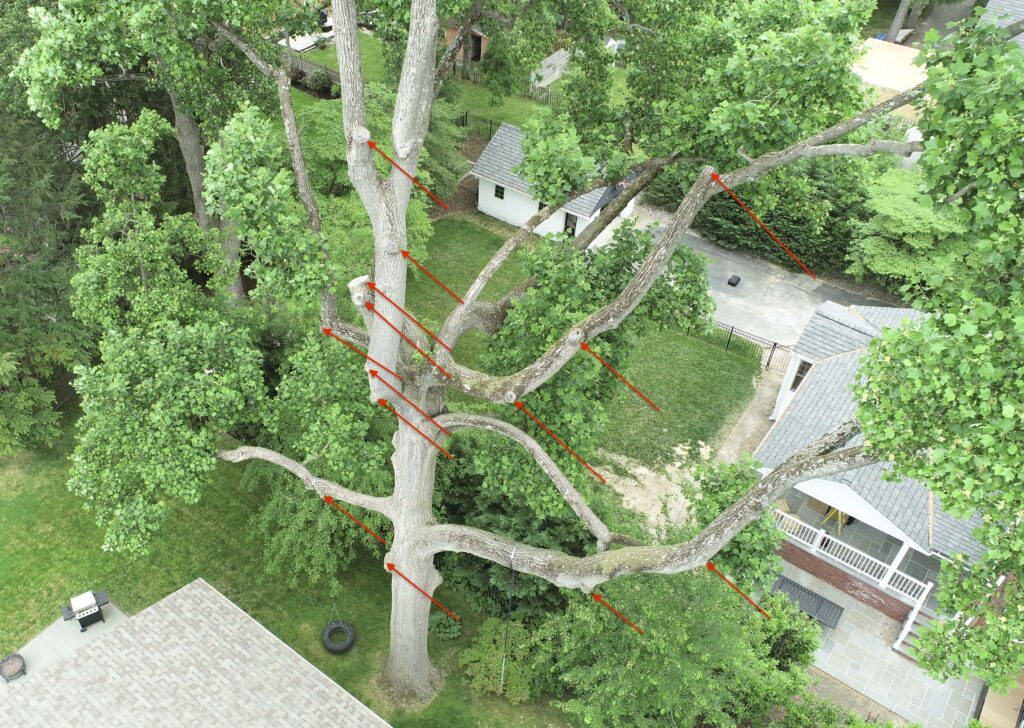
Formal tree risk assessments are systematic evaluations carried out by highly trained arborists to assess the condition and potential risks associated with trees. They aim to provide an unbiased assessment of tree health, structural integrity, and potential hazards. These assessments consider various factors, including tree species, location, age, structural defects, and environmental conditions.
2. Assessing Tree Hazards and Potential Risks:
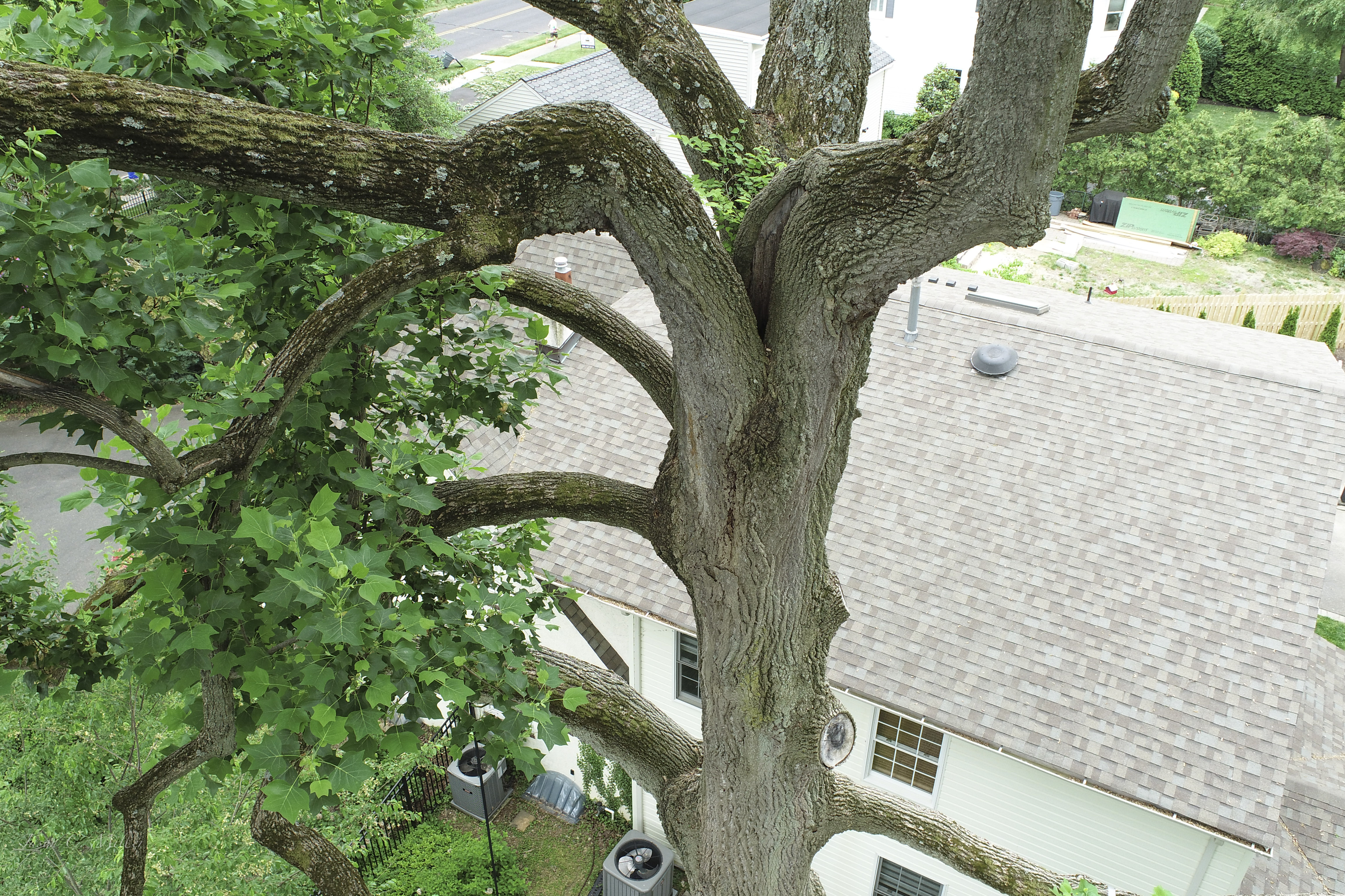
TRAs are crucial in neighbor disputes as they objectively evaluate the potential risks and hazards posed by trees. By identifying structural weaknesses, diseases, and other risk factors, arborists can determine the likelihood of tree failure and the potential damage it may cause. This assessment enables neighbors and authorities to make informed decisions based on facts and evidence.
3. Promoting Objective Decision-Making:
One of the primary advantages of formal tree risk assessments is that they facilitate objective decision-making in neighbor disputes. Instead of relying on subjective opinions or emotional arguments, an impartial assessment by a certified arborist provides an unbiased evaluation of the tree’s condition. This helps both parties involved, as well as local authorities, to make fair and informed decisions regarding the tree’s management or potential removal.
4. Establishing a Legal Framework:
When neighbor disputes escalate, legal action may become necessary. Formal TRAs play a vital role in providing a legal framework for resolving such disputes. In court proceedings or arbitration, an expert tree risk assessment report carries significant weight, providing an objective evaluation of the tree’s condition and the potential risks it poses. This helps ensure that decisions are based on sound evidence and professional expertise.

5. Finding Common Ground:
Neighbor disputes can strain relationships and community harmony. Formal tree risk assessments provide a platform for neighbors to find common ground and reach mutually acceptable solutions. By involving an arborist, neighbors can rely on the expertise of a professional who can objectively assess the tree’s condition and propose suitable management options. This collaborative approach often leads to compromise and resolution, fostering better relationships among neighbors.
Conclusion:
When neighbor disputes arise due to concerns over trees, formal tree risk assessments offer a constructive path toward resolution. By providing an objective evaluation of tree health, structural integrity, and potential risks, these assessments allow neighbors and authorities to make informed decisions based on factual evidence. Additionally, formal assessments contribute to the establishment of legal frameworks and encourage collaborative solutions, promoting harmony within communities. By embracing the value of formal tree risk assessments, neighbors can navigate disputes effectively, ensuring the safety and well-being of everyone involved.
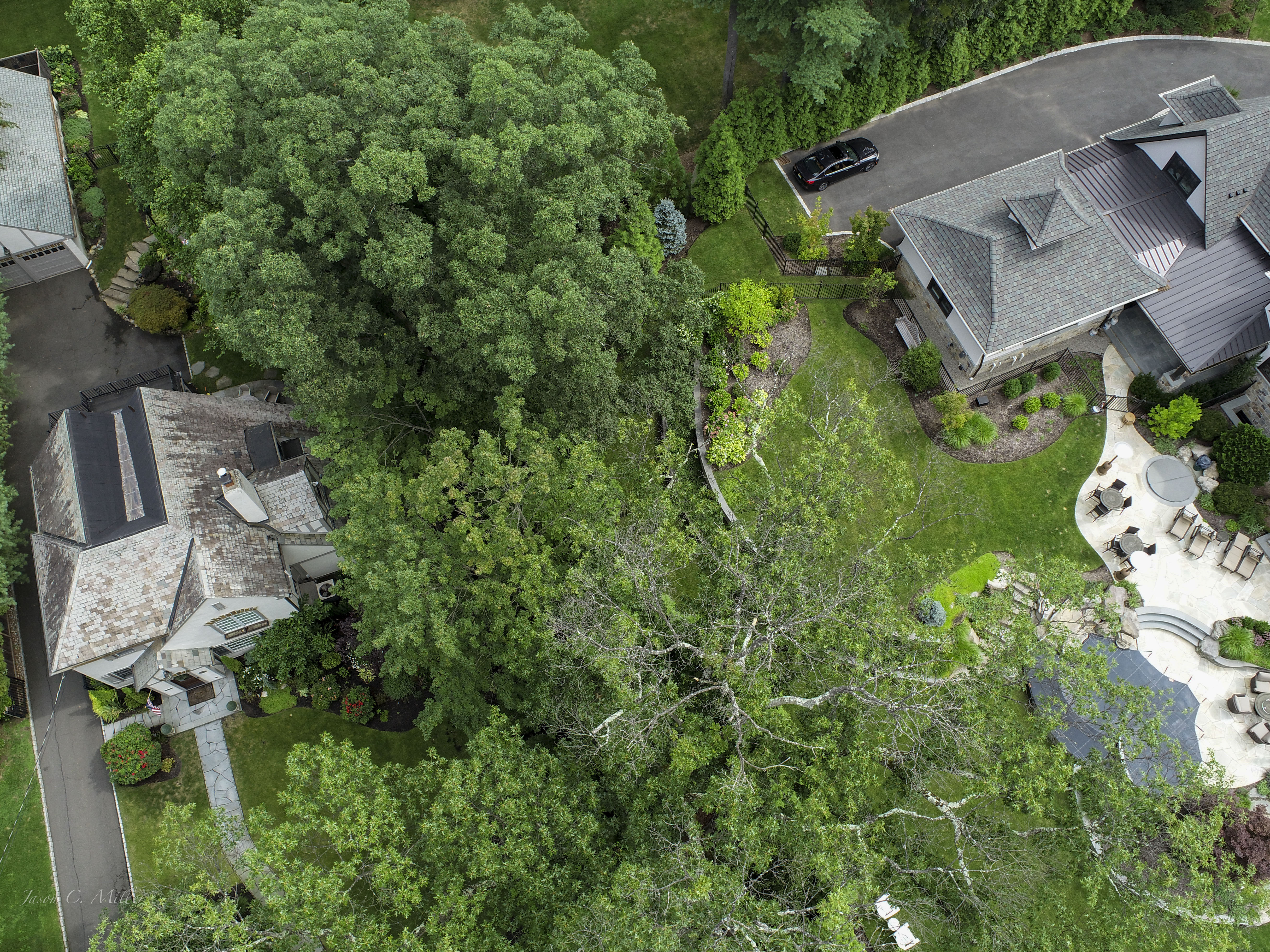
Read more about our professional tree risk assessment service.
